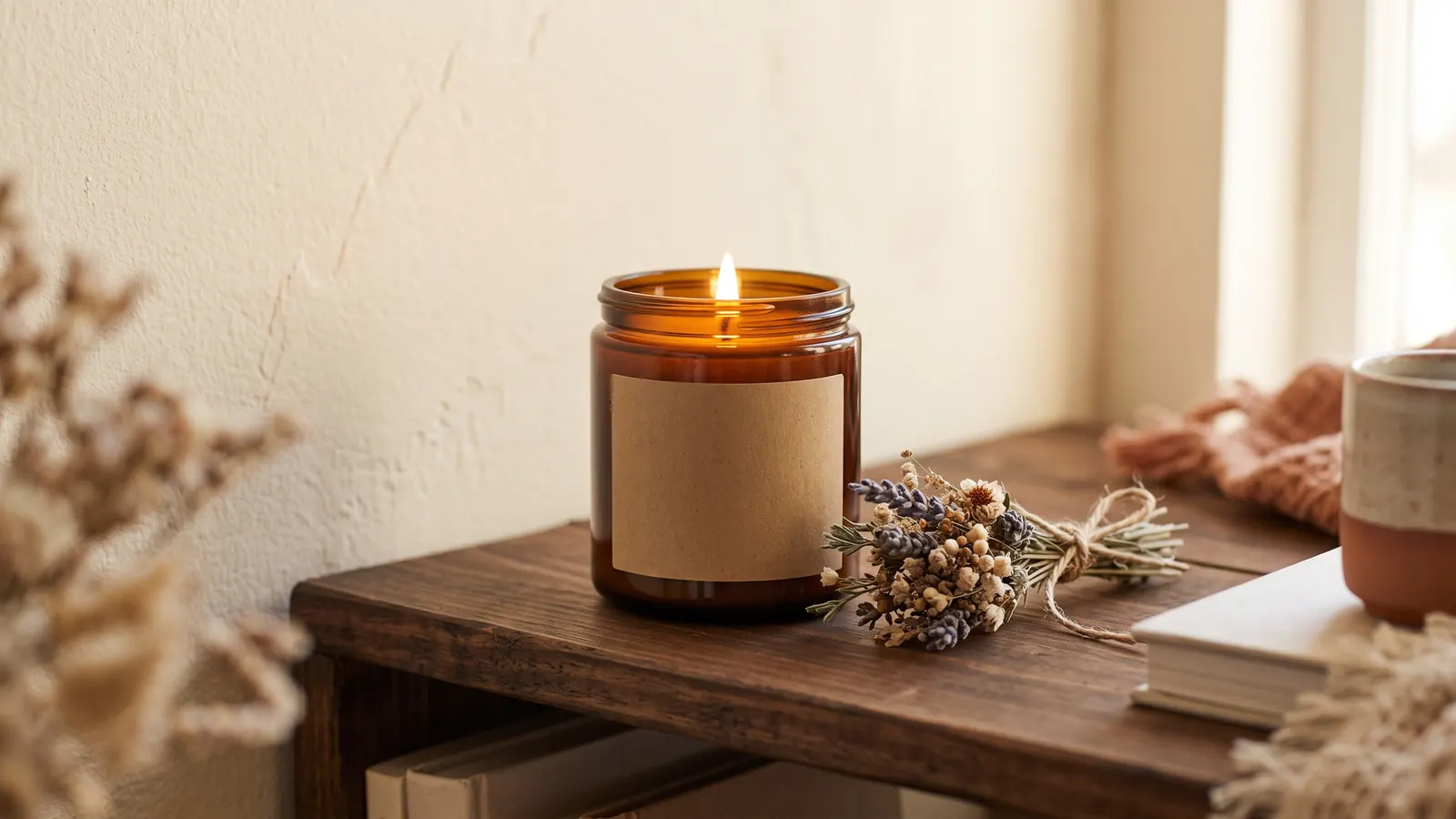
Candles

A good candle can change how a room feels in about five minutes. A bad one smokes, tunnels and smells like a chemistry class. Here's everything we've written about candles, from picking a scent you'll actually like to finding one worth giving as a gift.

Wax matters more than most people expect. Soy and coconut-based blends tend to burn cooler and cleaner than straight paraffin, which helps avoid the black soot ring that creeps up the inside of a jar over time. A cotton or wood wick usually burns steadier than one with a metal core, and a wick that's sized right for the jar's diameter is the single biggest factor in whether a candle "tunnels" - burning a narrow hole down the middle instead of melting evenly all the way to the glass.

Scent strength is really two different things: how strong a candle smells unlit, sitting on a shelf, and how strong it smells once it's burning. The two don't always match, and a candle that seems faint in the store can fill a room once the wax pool warms up. If you're buying for someone else, an apothecary jar candle or a well-reviewed neighborhood scent is usually a safer bet than a candle you've never tried, since you can check what other buyers say about throw and burn time before deciding.

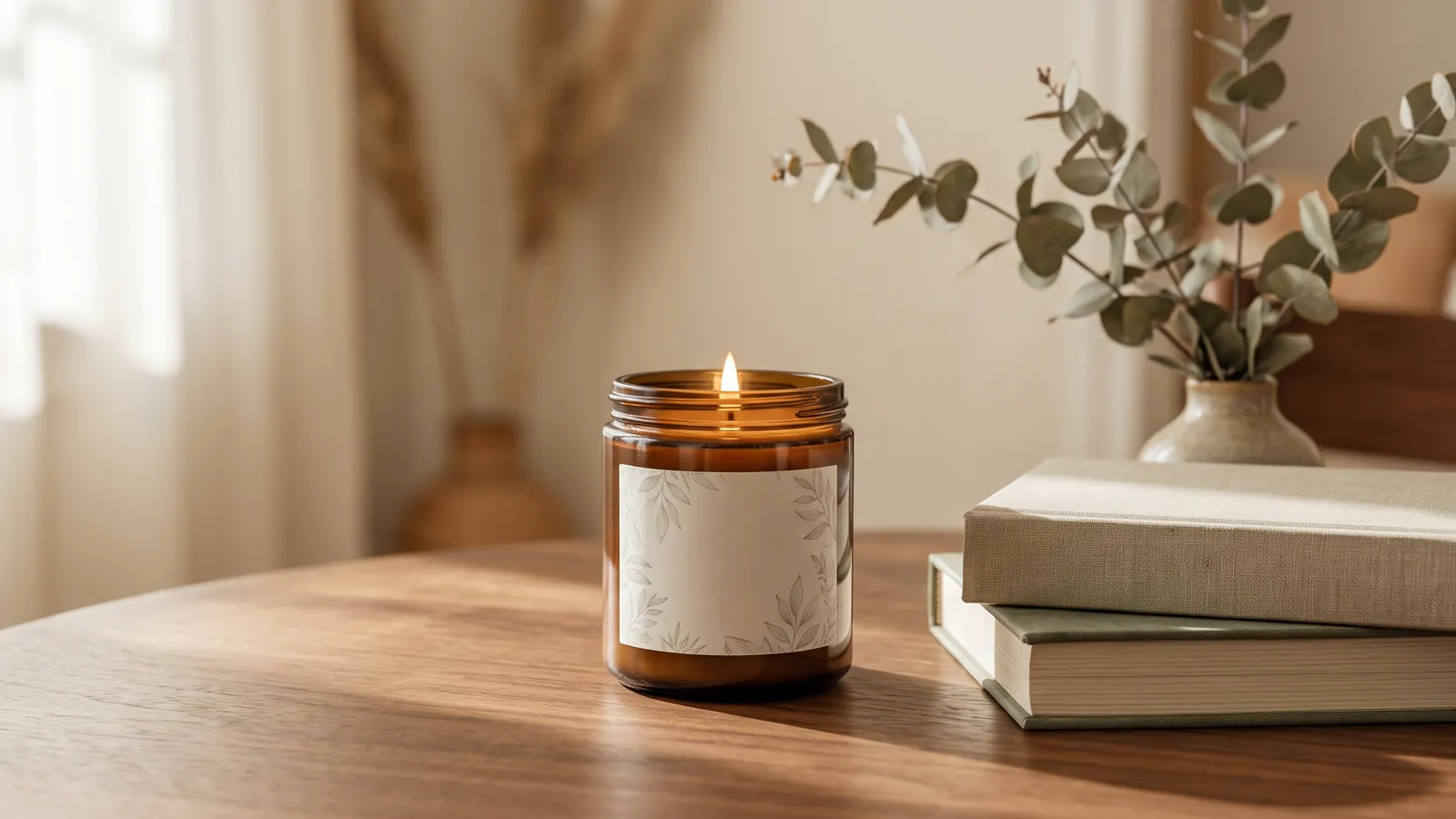
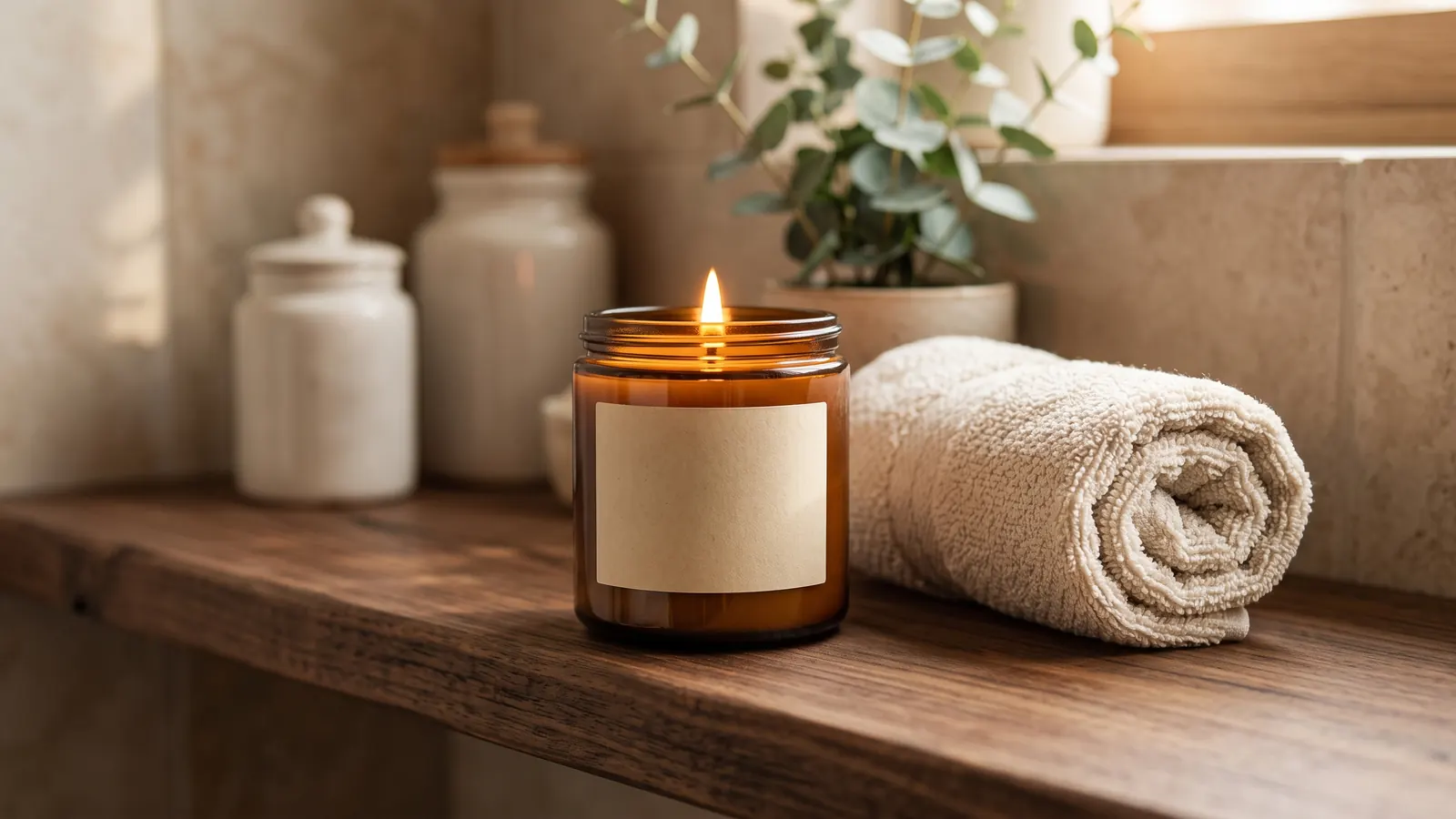
Our guides below cover scented candles as a starting point, then go deeper into specific styles: classic glass-jar apothecary candles and the kind of layered fragrance notes you'll find from smaller candle makers.
Guides

All Candles guides

← Back to all topics

Choosing and Burning Candles Safely

The National Candle Association points out that wax type isn't chosen for being "cleaner" or more "natural" than another, it's chosen for how well it suits a particular candle formula. That distinction is worth keeping in mind when comparing the candles we write about.

Comparing Candle Waxes

Paraffin holds fragrance oil well through the pour and releases it strongly once lit, which is why it's still common in candles built for a strong scent throw. Soy and coconut wax melt at lower temperatures, which usually means a longer, cooler burn, though their throw can run lighter than paraffin unless the fragrance load is tuned for it. Beeswax burns longest of the common waxes and adds a faint honey note of its own, but it throws scent the weakest, making it better suited to ambiance than to filling a room with fragrance. Many candles blend two or more waxes to balance burn time against scent strength.

Burning a Candle the Safe Way

Whatever the wax, the National Candle Association's safety guidance stays the same: trim the wick to about a quarter inch before each lighting, since an overly long wick is a common cause of soot and high flames. Never leave a candle burning unattended, keep it at least 12 inches from curtains, paper and anything else flammable, and set it away from drafts that can pull the flame sideways. Stop burning a jar candle once about half an inch of wax remains, and put it out with a snuffer or a gentle breath rather than water, which can make hot wax spatter.

Sources: National Candle Association, "Candle Safety Tips" and National Candle Association, "Illuminating the Truth: Why Candles Are Safe to Use."